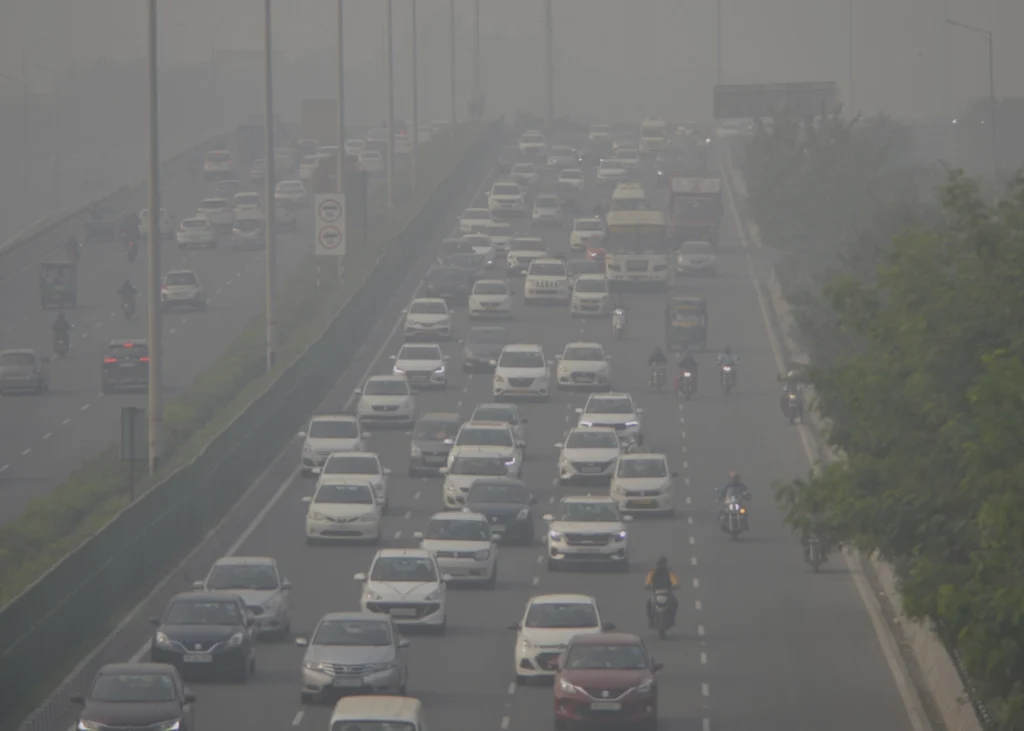
Polluted air is creating a health emergency. It also takes a heavy toll on the economy – with air pollution in South Asia costing 10.3 per cent of GDP, respectively, in 2019.
Cost-effective solutions to address air pollution exist and have the potential to address the major sources of air pollution. While contribution of each source may vary depending on location, fossil fuel emissions from coal burning for power and heat, transport, industrial furnaces, brick kilns, agriculture, domestic solid fuel heating, and the unregulated burning of waste are considered the main sources of air pollution.
Despite these multiple benefits, clean air interventions and other air quality management elements have not been financed to their full potential. Based on UNEP’s analysis, a lack of resources has led to a limited uptake of measures to reduce emissions of pollutants across key economic sectors; an inability to invest in data analysis; and a lack of enforcement and implementation capacity. There were similar findings in the CERCA and UNEP 2023 Needs Assessment Report for Air Quality Management in India which found funding for implementation-focused projects to improve air quality is disproportionate to the scale of the problem. It emphasizes that financing clean air actions should be seen as an investment for health, social and economic benefits.
Promising action and innovative technology and industry solutions are on the rise to address this health and environmental risk. Engagement of the industry and private sector will be critical for innovation and transformative action. This will help shift public and private investments towards less polluting practices in high impact sectors, such as energy, industry, agriculture, transport, waste, and residential sectors. The National Productivity Council (NPC) has undertaken stakeholder consultations with industry representatives from six sectors (chlor alkaki, cement, pulp & paper, iron & steel, textile, and fertilizer) and has collected potential project ideas focusing on mitigation of air pollutant and GHG emissions.
Asia Sales Representative
Sibata Scientific Technology Ltd.
Hiroki Hashimoto is the Asia Sales Representative for SIBATA with over 20 years of international sales experience. He’s working towards promoting their Low Cost Sensor (LCS) technology across Asia.
Dr. Yuba, a Senior Researcher at the Asia Center for Air Pollution Research, has a decade of experience in air quality monitoring across East Asia. She is involved in the Hybrid Air Quality Monitoring Network project under EANET.

Biologist & writer,
BBC Studios
Biologist & writer,
BBC Studios
Biologist & writer,
BBC Studios

IAS, Director General, NPC

Officer-In-Charge,
UNEP India Office
Director, Environmental
Management Bureau